
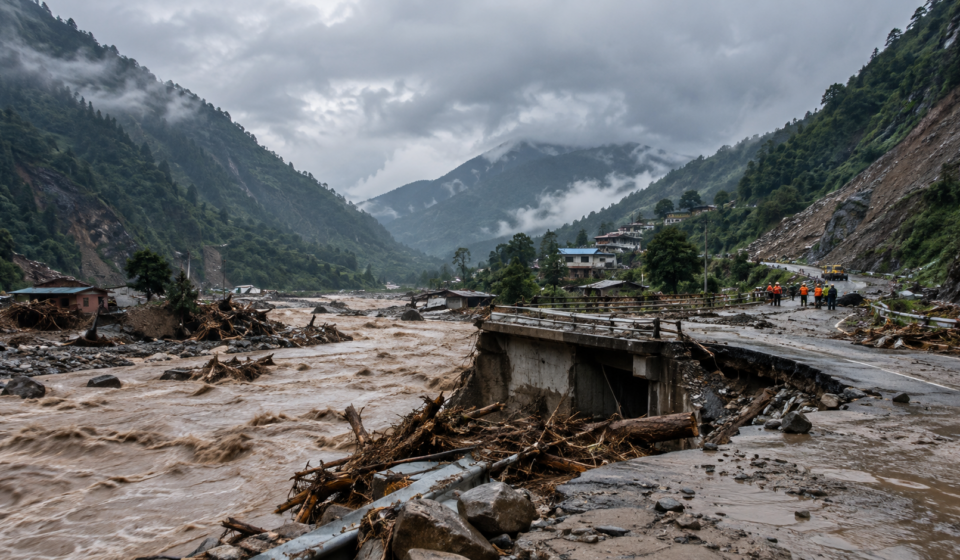

Nepal Flood Disaster 2026: A Nation Faces a Long Road to Recovery
September 20, 2026 | Nepal
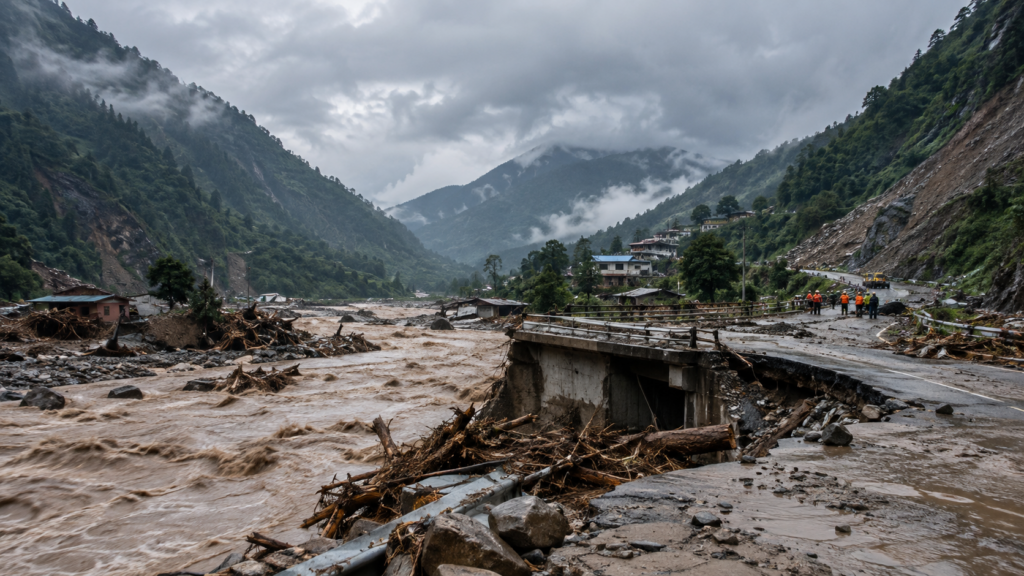
Nepal is continuing to deal with the devastating consequences of the catastrophic floods that struck the country on August 26, 2026. The disaster, which severely affected areas along the Bhotekoshi and Trishuli river systems, caused widespread destruction across Rasuwa, Nuwakot, Dhading and surrounding areas.
The flooding was associated with a major glacial collapse in the high Himalayas, sending enormous amounts of water, mud, rocks and debris downstream. The sudden nature and tremendous force of the event left communities with very little time to respond.
A Disaster of Unprecedented Scale
According to the latest figures published through Nepal’s disaster-management authorities, 1,385 people have been recorded among the casualties, while 5,130 people remain missing as of September 19. More than 13,600 people have been rescued, while thousands of security personnel and emergency responders continue search, rescue and relief operations.
The disaster has affected not only individual families but also entire communities. Houses, roads, bridges, agricultural land, hydropower facilities and other essential infrastructure have suffered extensive damage.
An earlier government assessment recorded damage to thousands of houses, dozens of motorable and suspension bridges, roads, agricultural land and major energy infrastructure. The full economic and social impact is still being assessed.
Communities Struggling to Rebuild
For many survivors, the emergency did not end when the floodwaters disappeared. Large amounts of mud, rocks and debris remain across affected settlements, while families continue searching for missing relatives and trying to recover whatever remains of their homes and livelihoods.
The United Nations Development Programme estimated that approximately 2.2 million tonnes of debris had accumulated in the areas covered by its initial assessment.
Education has also been seriously disrupted. A government assessment reported that the floods affected more than 14,500 children across 63 educational institutions in Rasuwa, Nuwakot and Dhading. Some schools have also been used as temporary shelters for displaced families, making it difficult for normal classes to resume.
A Major Blow to Nepal’s Hydropower Sector
Nepal’s energy infrastructure has also suffered significant damage. Several hydropower projects in the affected river corridors were damaged or forced to stop operating.
The damage has created additional challenges for a country where hydropower plays a central role in electricity generation and exports. India subsequently approved electricity exports to Nepal of up to 654 megawatts for 18 hours a day through December 31, 2026, following the disaster’s impact on Nepal’s generation capacity.
Search and Rescue Continues
Despite the scale of the destruction, rescue teams, security personnel, volunteers and local communities have continued working in difficult conditions.
Nepal’s authorities have used helicopters and other resources to evacuate people, deliver assistance and search difficult-to-reach locations. According to the latest government-linked update, more than 21,000 security personnel have been mobilized in the affected areas.
The continuing search for missing people remains one of the most difficult parts of the response. Remote terrain, damaged roads and bridges, unstable slopes and enormous quantities of debris have made recovery operations particularly challenging.
Lessons for the Future
The disaster has also raised important questions about Nepal’s preparedness for rapidly developing flood and landslide hazards in the Himalayas.
Experts and humanitarian organizations have emphasized the importance of stronger early-warning systems, reliable communication networks, community-level preparedness and better coordination between agencies and neighboring regions. Recent reporting has also highlighted how community-based warnings helped some people respond during the August disaster.
Nepal is a mountainous country with many settlements, roads and infrastructure located along rivers and steep valleys. This geography makes disaster preparedness particularly important. Improving monitoring of high-altitude hazards, strengthening infrastructure and ensuring that warnings reach communities quickly could become increasingly important in the years ahead.
Beyond the Numbers
Behind every statistic is a person, a family and a community.
The flood has taken lives, separated families, destroyed homes and disrupted education and livelihoods. But it has also shown the strength of local communities and the dedication of rescue workers, volunteers and humanitarian organizations.
Recovery will take time. Rebuilding roads and bridges is only one part of the challenge. Families will need housing, education, healthcare, income opportunities and long-term support to rebuild their lives.
As Nepal moves from emergency response toward recovery and reconstruction, the focus must remain on the people most affected by the disaster.
The August 26 floods have left a deep mark on Nepal. The road ahead will be difficult, but coordinated recovery, stronger preparedness and community resilience can help the country rebuild and become better prepared for future disasters.
Nepal’s recovery is not only about rebuilding infrastructure—it is about rebuilding lives.